



OHC was founded on innovation through experience. Since the early 1900’s, each generation has laid the groundwork for the next to excel in hardwood lumber importing and manufacturing. Now run by the third generation of Robinsons, the company’s family-oriented culture continues to seek out innovative solutions within an ancient industry.
2023
2021
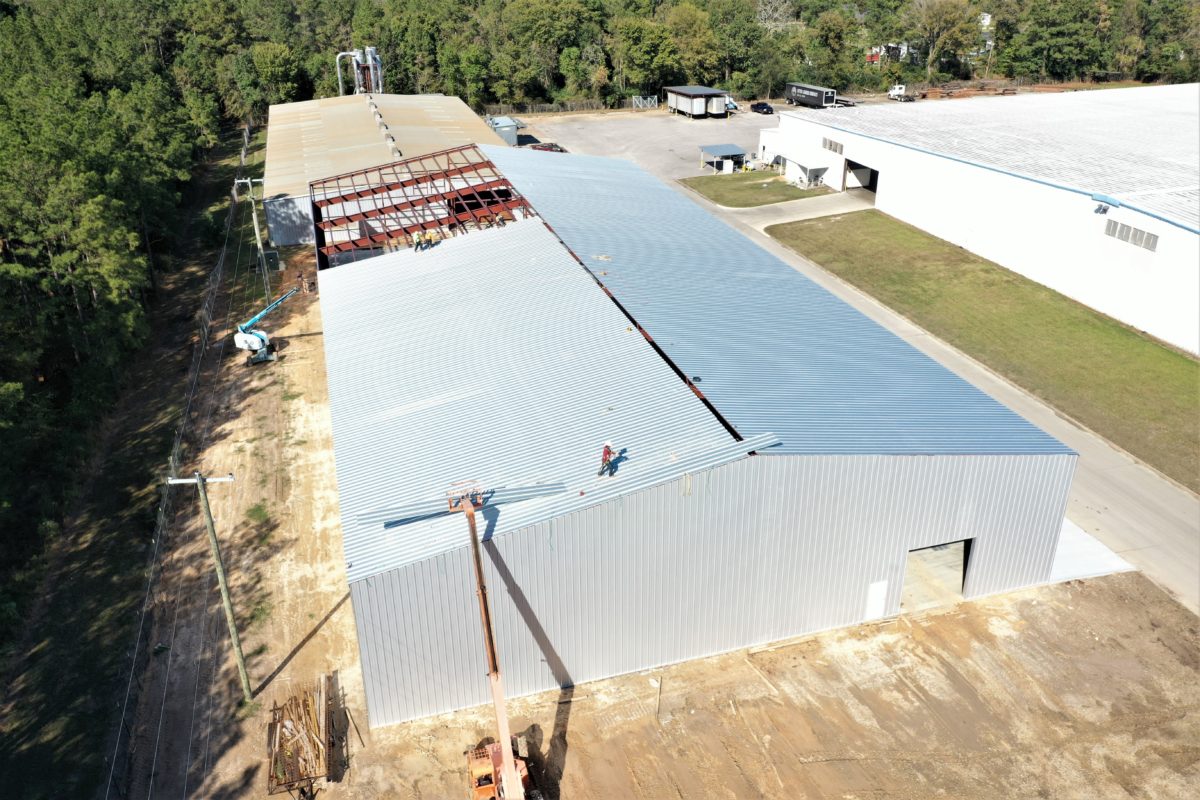
Due to growing inventory and the expansion of new products, a new 25,000 square foot warehouse was built to accommodate the growth.
2019
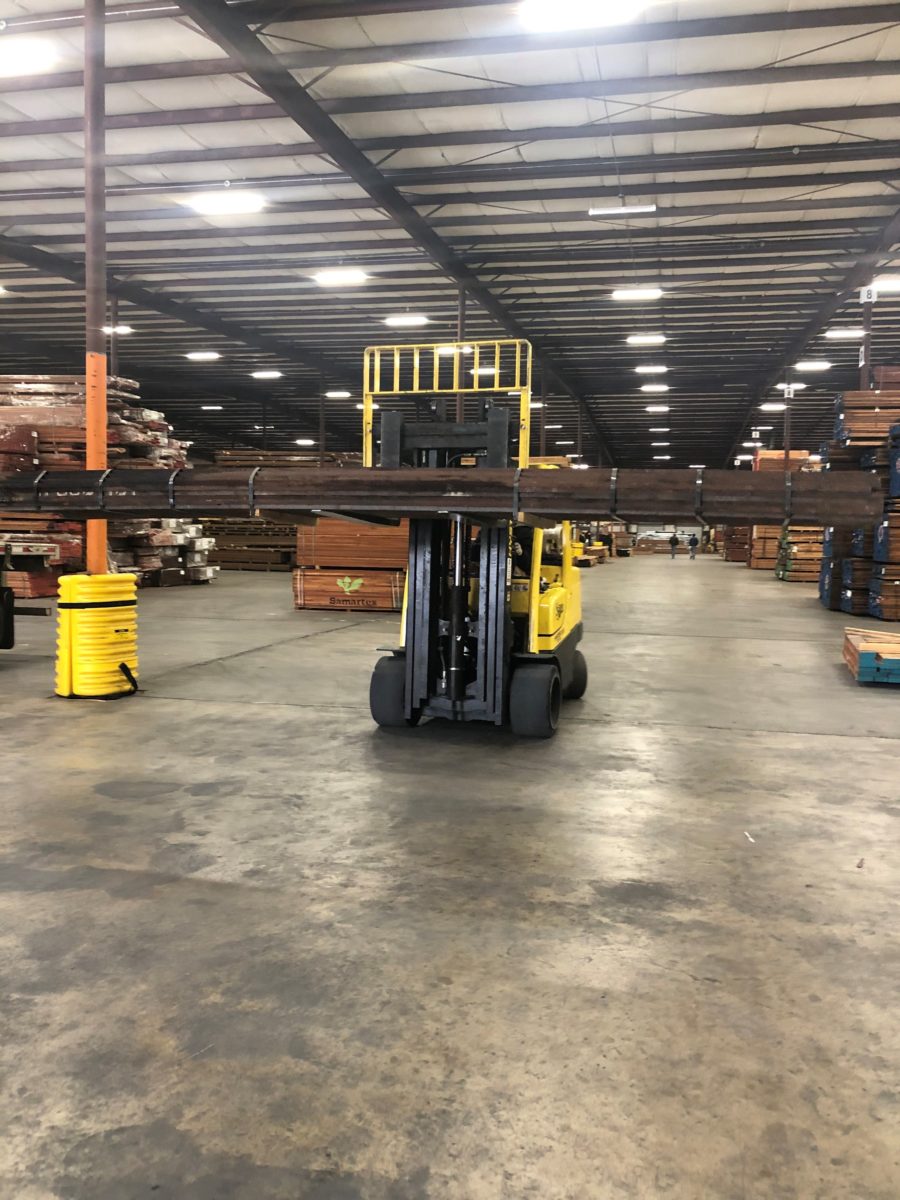
This purchase has allowed us to expand our exotic lumber inventory in the Gulf South.
2018
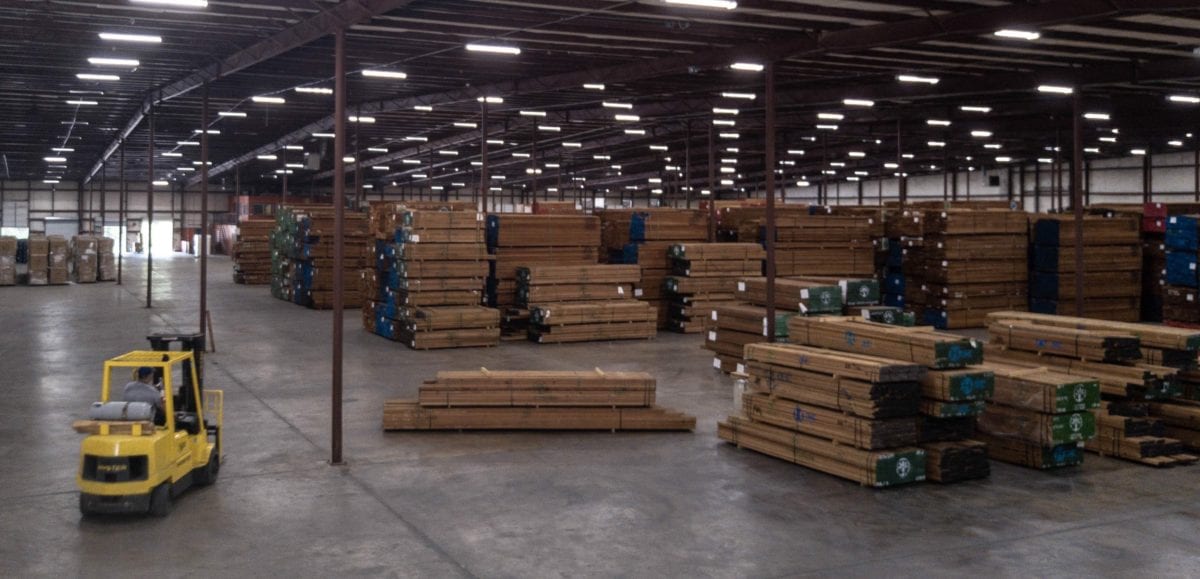
Having these 3 warehouses on the West Coast makes it convenient for our customers on that end of the US to have our High Performance Lumber Products delivered.
2018
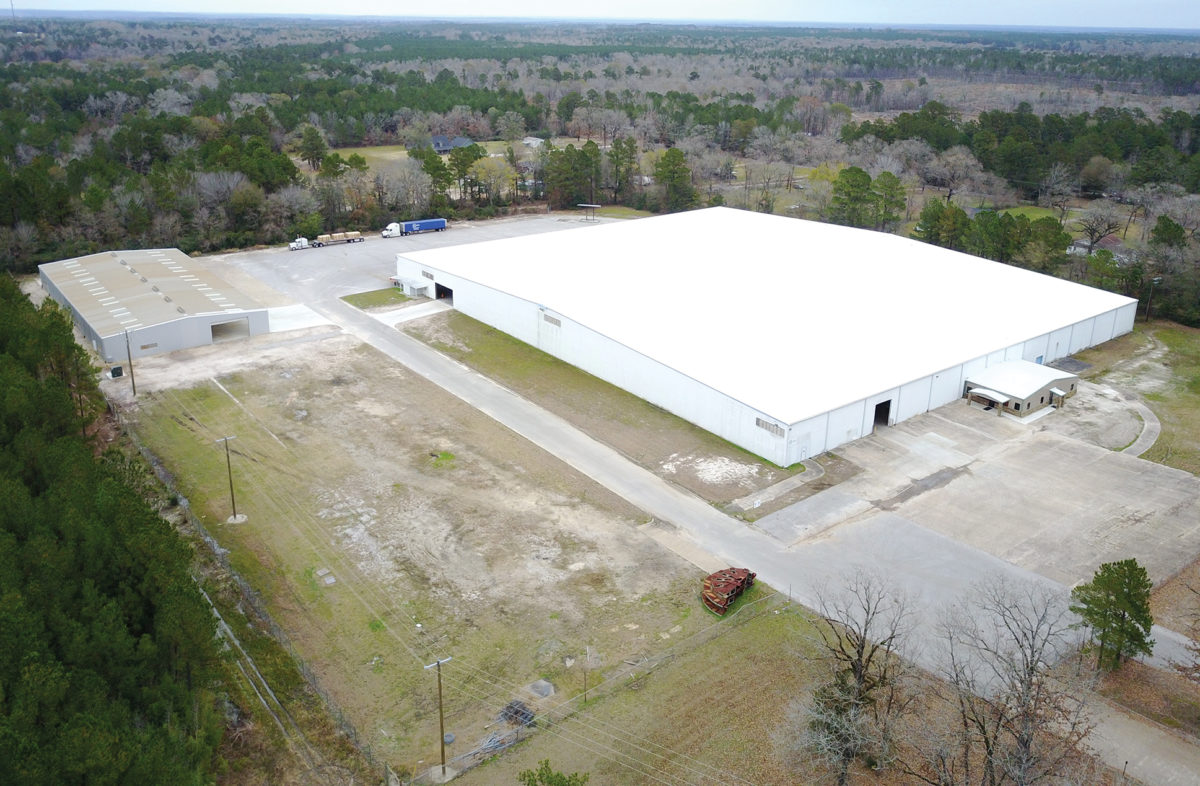
2018
2014
2014
With the ability to custom kiln dry and machine for any hardwood application, OHC begins importing Meranti, Spanish Cedar, Sapele and Sipo for the Millwork industry, as well as Teak and Marine Grade Plywood for the Marine industry.
2011
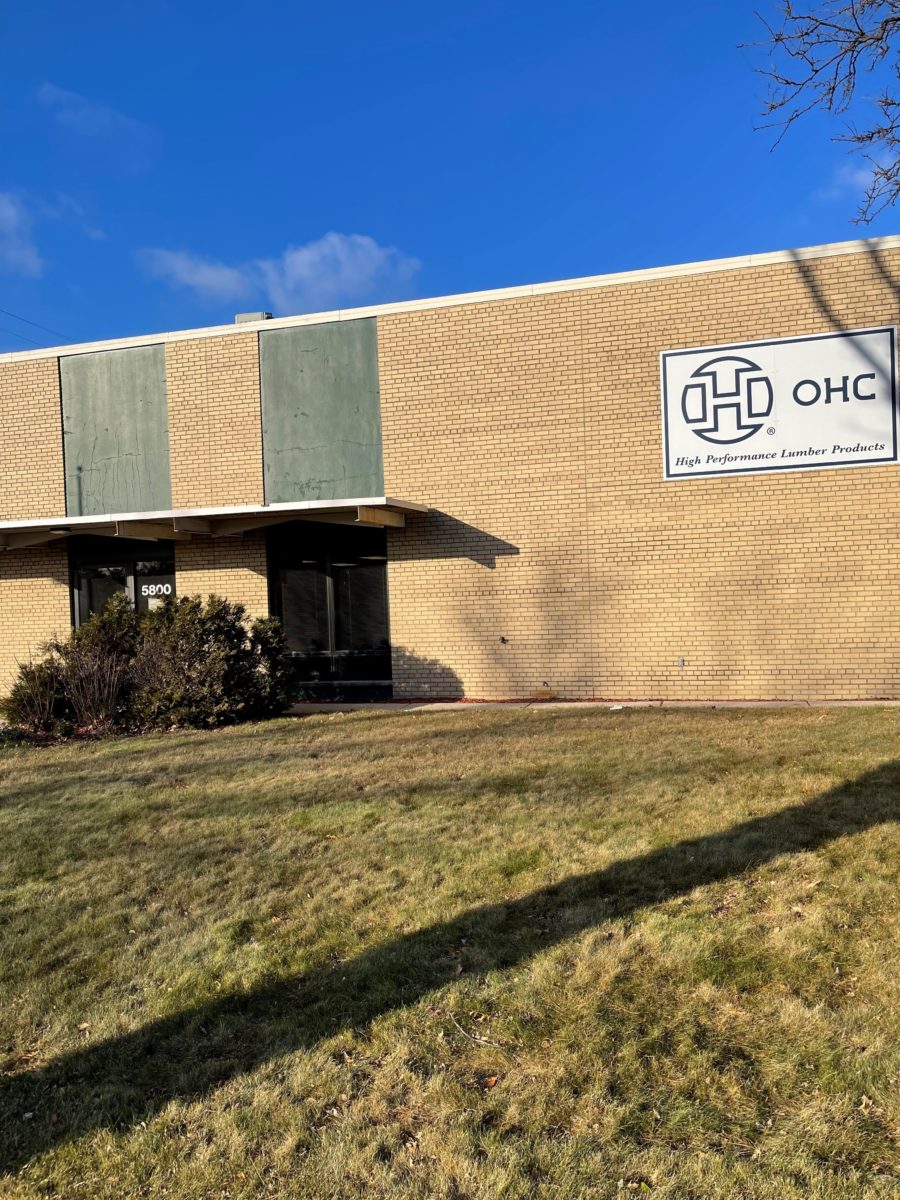
As the Outdoor Living division grew, OHC purchased a sales office in the midwest and leased warehouse space to service customers in northern states. In 2017, OHC moved into a larger office and warehouse to better serve its expanding Midwest business.
2006
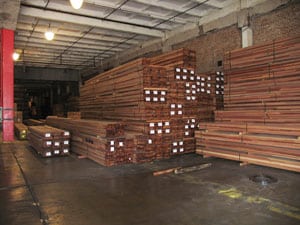
After Hurricane Katrina, transport along the river to the Stockton, AL Manufacturing Facility was forced to stop. They instead leased 88,000 sq. ft. of space to house 2.5 million board feet of hardwoods coming in from the Port of Mobile.
2003
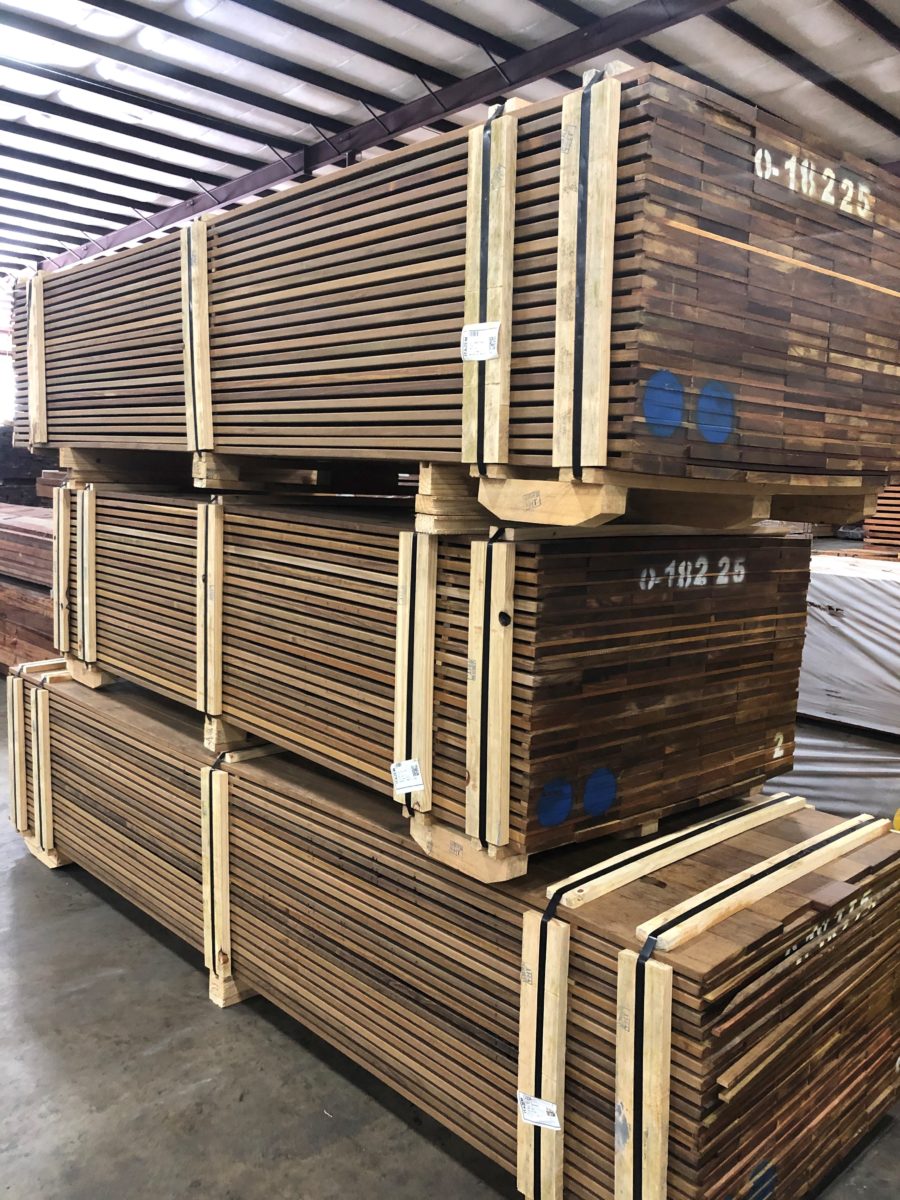
Now in its third generation, OHC President Lee Robinson Jr. and VP of Sales Bill Schaffer travel to Brazil to research, inspect, and purchase tropical hardwoods like Ipé, Cumaru, Garapa, and Tigerwood for decking, porch flooring, and other outdoor living applications.
1990
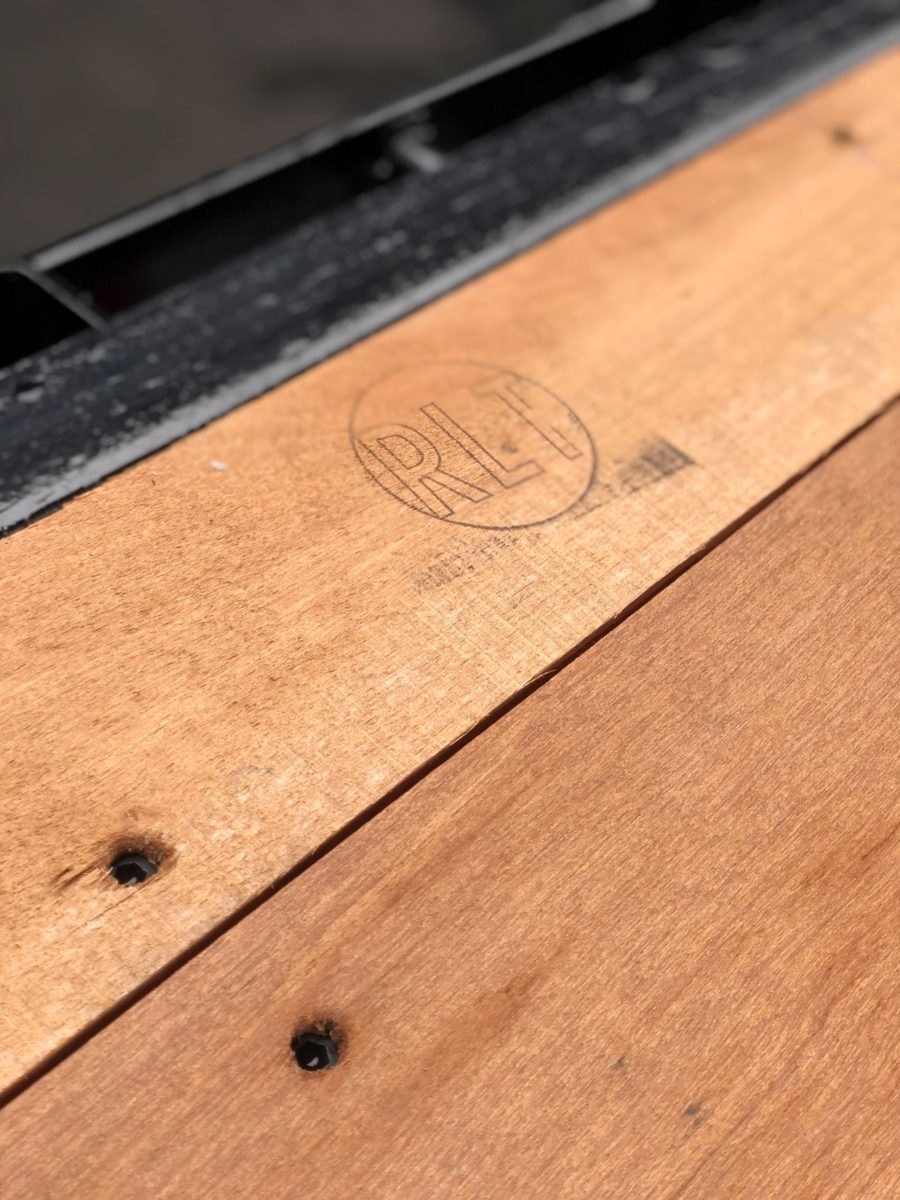
Full-length trailer flooring revolutionizes the truck flooring industry. OHC uses its patent to build full-length kits with finger-jointed boards the length of the product, which dramatically simplifies the installation process by eliminating virtually all cutting and fitting for the trailer manufacturer in the production line.
1970
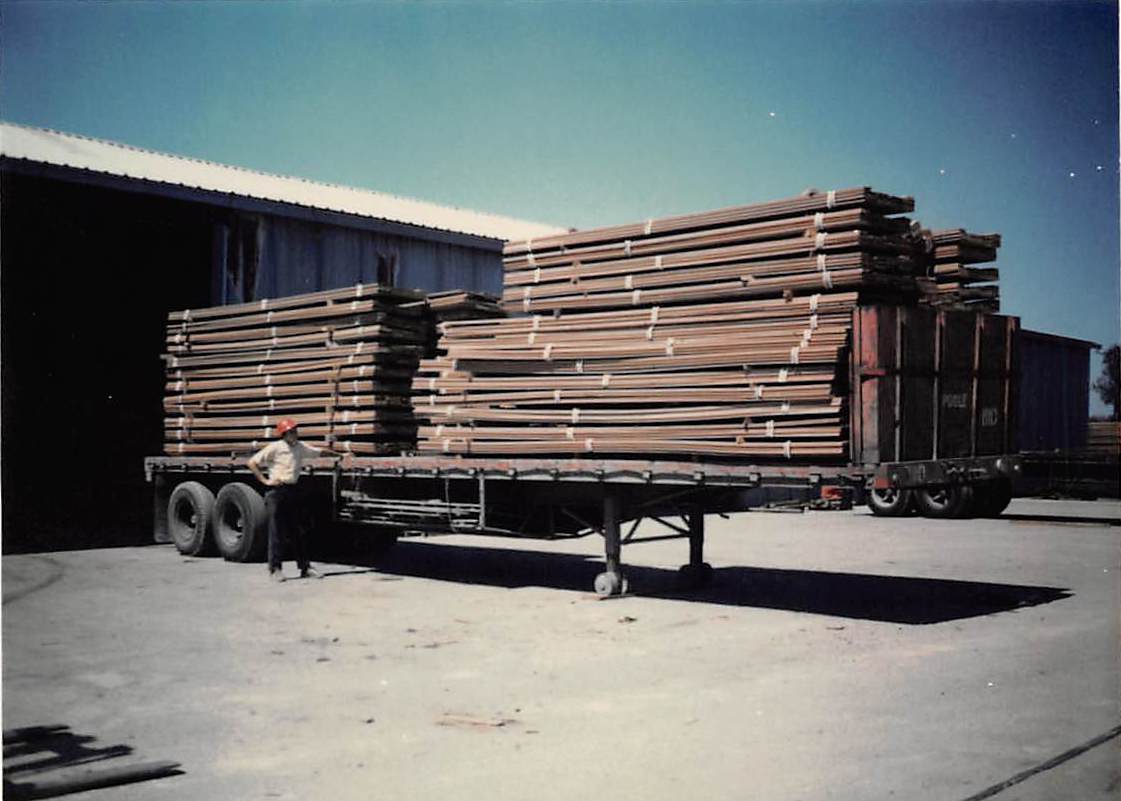
With a loyal, devoted and experienced manufacturing team, OHC grew into a complete flooring mill with dry kilns, a planer mill and a cut-up plant. They now import more Apitong than anyone in the United States.
1967
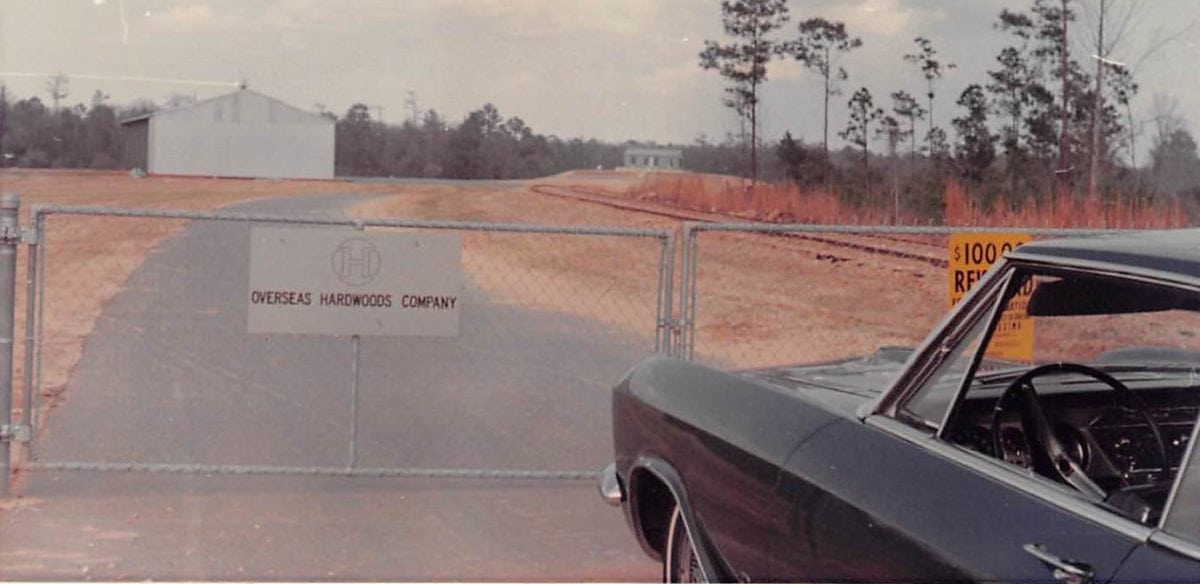
OHC was established to import superior hardwoods from Southeast Asia for the transportation industry. T. Lee realized that Apitong keruing, and other tropical species were stronger, denser, longer-lasting and less expensive than the American hardwoods he previously supplied.
1963
Estate issues following the death of Edward Robinson led the family to sell the sawmill to Scott Paper Company. T. Lee Robinson Sr. remained with the sawmill for a few years, but he couldn’t stop thinking about the clear hardwoods that he had seen during his international travels.
1940
With the demand for paper dominating the timber industry in the South, prime hardwood logs were becoming increasingly expensive and more difficult to acquire. As early as the 1940s, Lee’s son, T. Lee Robinson Sr., began searching elsewhere for hardwoods, including overseas.
1917
Brothers Lee and Edward Robinson started the family-owned sawmill company by sawing local timber for a wide range of applications. One of those early niches was flooring for a new mode of transportation destined to replace horse-drawn wagons: flatbed trucks.